Who is on this subjectordered by the date of their first quote here
3 of 3 lanes rest on fewer than 5 quotes and are marked thin. Offsets are days from the middle first-quote date, 12 Jan 2024 — a date, and nothing else. It is not a claim about who reached a view first.
-
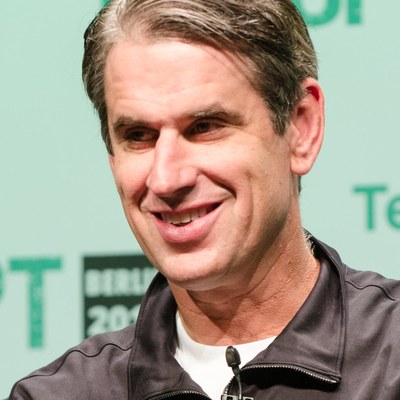 Bill Gurley
4
thin
2 Jul 2019 – 10 Jun 2025
-1655 d
Bill Gurley
4
thin
2 Jul 2019 – 10 Jun 2025
-1655 d
-
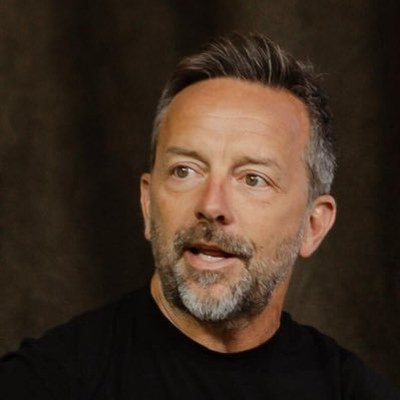 Brad Gerstner
2
thin
12 Jan 2024 – 15 Jun 2026
+0 d
Brad Gerstner
2
thin
12 Jan 2024 – 15 Jun 2026
+0 d
-
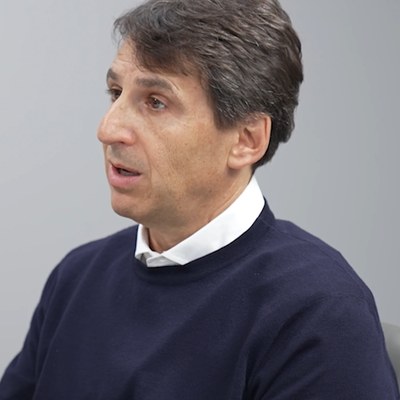 Marc Rowan
2
thin
2 Oct 2024 – 3 Mar 2026
+264 d
Marc Rowan
2
thin
2 Oct 2024 – 3 Mar 2026
+264 d
The chronologysourced and dated, oldest first
-
-
Bill Gurley
Gurley argues private companies now have more capital than incumbents for the first time in history.
“And for the first time in history, I believe private companies are the ones with more money and are attacking the long held incumbents, which is a radical thing to think about.”
-
-
-
Brad Gerstner
Gerstner argues Khosrowshahi's capital markets expertise was critical fit for cash-hemorrhaging Uber needing focus.
“Uber at the time was hemorrhaging cash, needed to get rid of some divisions, needed to focus on the core.”
-
Marc Rowan
Rowan warns $2 trillion peacetime deficits at full employment threaten capital availability for future needs.
“The direct the notion that we are spending 2,000,000,000,000 in excess of what we take in in peacetime with full employment does not bode well for the availability of capital to do what we need to do”
-
-
-
Bill Gurley
Gurley argues 2024's 30% Nasdaq gain with closed IPO window defies historical correlation, pointing to bank-forced discounts.
“I believe a part of it I've been very passionate about is the IPO discount that the banks force upon the market, especially the well known high branded ones.”
-
Bill Gurley
Gurley argues Yale has had more impact on endowment management strategy than any other institution.
“I would argue no single institution's had a bigger impact on the strategy of endowment management than Yale.”
-
“He said, the head of the world's largest sovereign wealth fund said the clock is ticking for private equity and join the chorus of investors who've grown worried about the industry's valuation practices.”
-
-
-
Marc Rowan
Rowan asserts the world is simultaneously building infrastructure, energy, manufacturing, defense, and AI, creating the largest capital need ever.
“S, they want to do in Europe, and they're not as well prepared to it, and they're doing it in The Middle East, and they're doing it elsewhere around the world.”
-
Brad Gerstner
Gerstner says 60 to 70 percent of people don't participate in capital markets upside, expects related announcements soon.
“60 to 70% of people today don't compound in the upside of our capital markets. I think you'll see a lot of announcements in the weeks ahead.”
-