Who is on this subjectordered by the date of their first quote here
1 of 2 lane rests on fewer than 5 quotes and is marked thin. Offsets are days from the middle first-quote date, 20 Jun 2020 — a date, and nothing else. It is not a claim about who reached a view first.
-
 David Friedberg
7
20 Jun 2020 – 13 Jan 2026
+0 d
David Friedberg
7
20 Jun 2020 – 13 Jan 2026
+0 d
-
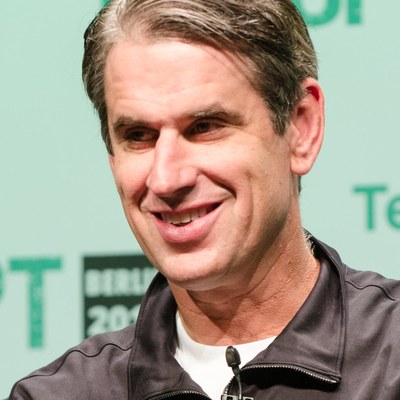 Bill Gurley
3
thin
12 Feb 2026 – 12 Feb 2026
+2063 d
Bill Gurley
3
thin
12 Feb 2026 – 12 Feb 2026
+2063 d
The chronologysourced and dated, oldest first
-
-
David Friedberg
Friedberg observes society shifting from valuing free speech to valuing comfort from offensive ideas.
“we are starting to shift towards valuing comfort over freedom of expression. And that's just kind of the big change that's occurring.”
-
-
-
David Friedberg
Friedberg argues social media democracy elects representatives of mob opinion rather than actual leaders.
“Because of the fast feedback cycles that we talked about earlier, and that a point of view, kind of the mob coalesces around the point of view, you end up electing the person who represents the mob, which means that ultimately over time in a democracy, in the social media age, is you don't end up electing leadership.”
-
David Friedberg
Friedberg argues social media age democracies elect mob representatives instead of contrarian leaders willing to be unpopular.
“leadership, as Sax points out, needs to and has to be willing and able to lead, which means being contrarian and being inspiring.”
-
-
-
David Friedberg
Friedberg argues politicians get elected by promising more benefits rather than cutting spending for fiscal sustainability.
“That's how people get elected in a democracy. They go to the voters, they say, here's what I'm going to give you.”
-
-
-
David Friedberg
Friedberg estimates more than half of Americans rely on government checks directly or indirectly for income.
“By my estimate, more than half of Americans rely on a government check either directly or indirectly.”
-
David Friedberg
Friedberg estimates more than half of Americans receive government checks directly or indirectly through employment or benefits.
“So you're either employed by the federal, state, or local government or its agencies or one of its contractors, or you're receiving one of the retirement checks from a government agency.”
-
David Friedberg
Friedberg claims more than half of Americans rely on government income making spending cuts democratically difficult.
“And so it's become very difficult because a majority of the population is receiving benefit or living from some sort of government flow of capital,”
-
Bill Gurley
Gurley argues capitalism and democracy corrupt each other over time, with most broken industries being most regulated.
“No, I think it's gotten worse over time. I made up this statement once that capitalism and democracy corrupt each other over time. Like at the starting state, everything's fine.”
-
Bill Gurley
Gurley states capitalism and democracy corrupt each other over time as they commingle.
“I made up this statement once that capitalism and democracy corrupt each other over time. Like at the starting state, everything's fine.”
-
Bill Gurley
Gurley states capitalism and democracy corrupt each other over time through prolonged commingling.
“capitalism and democracy corrupt each other over time. Like at the starting state, everything's fine. But as they get to commingle for a really, really, really long period of time”
-