Who is on this subjectordered by the date of their first quote here
5 of 9 lanes rest on fewer than 5 quotes and are marked thin. Offsets are days from the middle first-quote date, 7 Sep 2025 — a date, and nothing else. It is not a claim about who reached a view first.
- Stanley Druckenmiller 3 thin 19 Dec 2019 – 16 Jun 2022 -2089 d
-
 Brad Gerstner
10
26 Mar 2022 – 31 Jul 2025
-1261 d
Brad Gerstner
10
26 Mar 2022 – 31 Jul 2025
-1261 d
-
 David Friedberg
4
thin
17 Oct 2022 – 29 Aug 2026
-1056 d
David Friedberg
4
thin
17 Oct 2022 – 29 Aug 2026
-1056 d
-
 David Sacks
1
thin
7 Sep 2025 – 7 Sep 2025
+0 d
David Sacks
1
thin
7 Sep 2025 – 7 Sep 2025
+0 d
-
 David Tepper
1
thin
18 Sep 2025 – 18 Sep 2025
+11 d
David Tepper
1
thin
18 Sep 2025 – 18 Sep 2025
+11 d
-
 Marc Rowan
6
10 Dec 2025 – 3 Mar 2026
+94 d
Marc Rowan
6
10 Dec 2025 – 3 Mar 2026
+94 d
-
 Scott Bessent
4
thin
3 Jul 2026 – 3 Jul 2026
+299 d
Scott Bessent
4
thin
3 Jul 2026 – 3 Jul 2026
+299 d
-
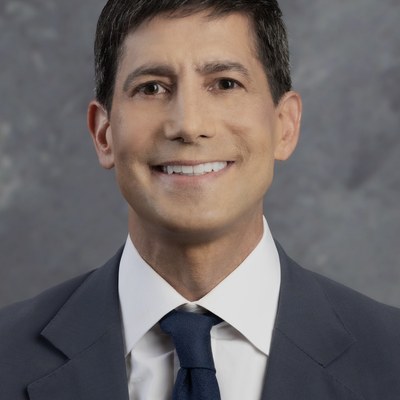 Kevin Warsh
31
29 Jul 2026 – 28 Aug 2026
+325 d
Kevin Warsh
31
29 Jul 2026 – 28 Aug 2026
+325 d
-
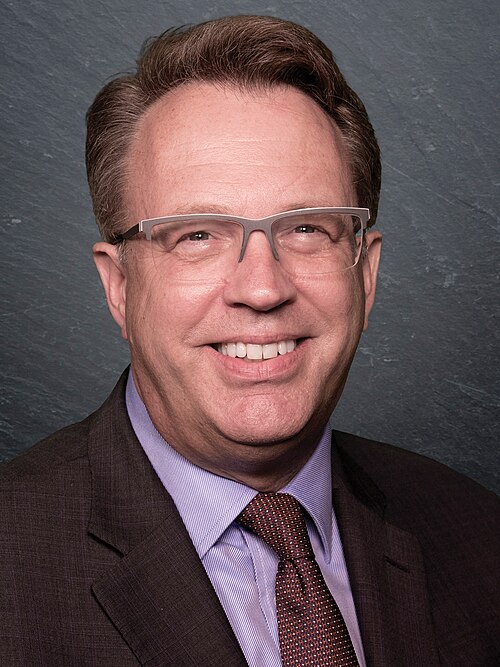 John Williams
84
John Williams
84
The chronologysourced and dated, oldest first
-
-
Stanley Druckenmiller
Druckenmiller says core PCE was 1.5% when Greenspan raised rates from 4.75%, now it's 1.7% at 1.5% Fed funds.
“I look back and the core PCE was one and a half in '98 and '99 when Greenspan started raising rates again from 475 is currently one seven and he's got them at 1.5.”
-
Stanley Druckenmiller
Druckenmiller notes 12 of 14 inflation measures are above 2%, questions Fed focus on 1.7% core PCE.
“Well, first of all, there's 14 recognized measures of inflation. 12 of them are above 2%. Their preferred measure, the core PCE, is at 1.7%.”
-
-
-
Brad Gerstner
Gerstner reports the Fed expects 2% negative real rates by year-end, with 4.3% inflation and 2.3% ten-year rate.
“They said we expect inflation exiting the year to be 4.3 and we expect the ten year to be around 2.3.”
-
Brad Gerstner
Gerstner argues used car prices jumped from $20,000 to $29,000 due to stimulus.
“The price for a used car was $20,000 for ten years. And then just coincidentally, alright, they give us a bunch of Red Bull and the price goes to $29,000.”
-
Stanley Druckenmiller
Druckenmiller notes $18 trillion in negative-yielding debt existed a year ago despite imminent 8% inflation.
“Even as late as, I think a year ago, was 18,000,000,000,000 of debt that was still negative yielding when the world was about to experience 8% inflation. It's pretty extraordinary.”
-
David Friedberg
Friedberg explains inflation moves through economy in stages, starting with commodities before becoming sticky in services.
“So the first thing we saw inflate was sort of hard commodities and soft commodities, things like energy and agricultural products and metals and so on.”
-
-
-
Brad Gerstner
Gerstner notes inflation falling despite massive government spending from chips act and infrastructure bills.
“And this is remember, we're seeing inflation roll over huge, and we have a chips act and an infrastructure we have massive government spending going on, and we still see inflation rolling over.”
-
Brad Gerstner
Gerstner says cargo container costs increased tenfold by June 2021 when inflation was evident.
“June 2021, when the world knew inflation was here. I mean, the cost of a cargo container had gone up by 10 x.”
-
Brad Gerstner
Gerstner says Kashkari wrongly forecast no rate hikes until 2024 in June 2021 when cargo container costs had risen 10x.
“June 2021, when the world knew inflation was here. I mean, the cost of a cargo container had gone up by 10 x. Okay? He says we're not gonna have rate hikes until 2024.”
-
Brad Gerstner
Gerstner argues the Fed made a knowable mistake ignoring 20x shipping cost increases in summer 2021.
“The cost of a container from China to The US had gone up 20x. Okay. The idea that we didn't have an inflation problem in the summer of twenty twenty one”
-
Brad Gerstner
Gerstner says the Fed made a clear mistake in summer 2021 by not seeing inflation coming.
“But by the summer of twenty one, when the Fed was saying they don't see inflation, that was clearly a mistake.”
-
Brad Gerstner
Gerstner cites Fed forecast of 1.5% GDP, two to three rate cuts, and 2% inflation next year.
“But if you look at the Fed's own forecast for next year, one and a half percent GDP, two to three rate cuts, ending the year with a two two handle on inflation.”
-
-
-
Brad Gerstner
Gerstner explains falling inflation increases economic restrictiveness, requiring rate cuts to maintain same restrictiveness level.
“every month that inflation goes down, the effective restrictiveness of the economy goes up, holding all else equal. So you gotta take rates down just to keep it at the same level of restrictiveness.”
-
-
-
Brad Gerstner
Gerstner observes import prices rising slower than domestic goods, opposite of expected tariff impact.
“Import prices have been going up at a slower rate than domestically produced goods. Okay, so this is the exact opposite of what you would have expected from tariffs.”
-
David Sacks
Sacks says real wage growth is now 1% positive compared to negative during most of Biden presidency.
“You had 3.7% wage growth this year versus 2.7% average inflation, so you have a net 1% wage growth. During most of the Biden presidency, it was negative.”
-
David Tepper
Tepper warns that easing beyond two or three cuts risks a weaker dollar and higher inflation.
“Beyond that, I think it can, you know, then you're really risking a lot of things. A weaker dollar, more inflation, and those sort of things.”
-
Marc Rowan
Rowan argues governments are borrowing record amounts while fragmenting labor and goods flows through immigration and tariff policies.
“We have governments around the world who are borrowing record amounts of money. We are, for maybe good and valid reasons, fractionalizing our labor supply through immigration reform.”
-
Marc Rowan
Rowan says governments are borrowing record amounts while fracturing labor and goods flows through immigration and tariff policies.
“We have governments around the world who are borrowing record amounts of money. We are, for maybe good and valid reasons, fractionalizing our labor supply through immigration reform.”
-
Marc Rowan
Rowan says immigration reform and tariffs are fractionalizing labor and goods flows in inflationary ways.
“We are, for maybe good and valid reasons, fractionalizing our labor supply through immigration reform. We're fractionalizing our flow of goods through the other tariff and other measures.”
-
Marc Rowan
Rowan observes yield curve steepening with ten-year rates rising despite short rate cuts.
“Depreciating our currency has the tendency to be inflationary. And what we're seeing is a steepening of the yield curve. Rates that matter, the ten year, are higher even if short rates are lower.”
-
-
-
Marc Rowan
Rowan argues the 30% market overhang from geopolitics, inflation, and technology was foreseeable and predictable.
“I think the 30% overhang of geopolitics, inflation, technological change is now here. It was foreseeable, not maybe exactly how it occurred, but it was foreseeable. It was predictable.”
-
Marc Rowan
Rowan states the 30% overhang from geopolitics, inflation, and tech change was foreseeable and predictable.
“I think the 30% overhang of geopolitics inflation technological change is now here. It was foreseeable, not maybe exactly how it occurred, but it was foreseeable. It was predictable.”
-
“by Labor Day. And oil prices are actually lower than they were on February 27 when the conflict started on February 28. So gasoline prices are a little stickier on the way down.”
-
Scott Bessent
Bessent expects real wage growth to resume as soon as next month after April spike.
“But we had had before April, we had seen real wage growth for working Americans every month during President Trump's presidency, and I would expect maybe even as soon as next month we will go back to that.”
-
Scott Bessent
Bessent says Treasury is pressuring gasoline retailers to lower prices and seeing positive response from major retailers.
“We're telling them we're watching them. And we've had some good uptake from some of the bigger retailers in terms of what they want to do for consumers.”
-
Scott Bessent
Bessent forecasts real wage gains could return as soon as this month after inflation spike.
“I would expect that perhaps as soon as this month, we're going to see real wage gains.”
-
Kevin Warsh
Warsh sets timeline expectations, saying Fed cannot deliver in days or weeks but will fulfill congressional mandate.
“We've got no magic wand. This isn't something that we're gonna be able to carry out in days or weeks, but we're gonna deliver on the responsibility that congress gave us.”
-
Kevin Warsh
Warsh sets realistic timeline expectations while pledging to fulfill congressional mandate on inflation.
“This isn't something that we're gonna be able to carry out in days or weeks, but we're gonna deliver on the responsibility that congress gave us.”
-
David Friedberg
Friedberg reports thirty-year treasury yields crossed 5.2%, highest since 2007 financial crisis.
“If you take a look at the thirty year treasury yield, we just crossed 5.2% the in first twenty years.”
-
David Friedberg
Friedberg says housing, education, and healthcare inflated at 5-6% versus 2.5% average where government launched subsidy programs.
“And all three of these categories are categories where the federal government has launched programs to either subsidize or make available these categories of services to people through promises.”
-
Kevin Warsh
Warsh argues hardworking Americans, not financial market participants, bear the worst costs of Fed policy errors.
“If the Fed gets inflation wrong and judges the economy wrong, who gets the worst of it? Not the financial high flyers.”
-
Kevin Warsh
Warsh says Fed forward guidance in 2021 likely slowed the policy response to high inflation.
“I am not alone in noticing that forward guidance in 2021, to cite just one example, might well have slowed the policy response to high inflation.”
-
Kevin Warsh
Warsh says Fed forward guidance in 2021 likely slowed the policy response to high inflation.
“I am not alone in noticing that forward guidance in 2021, to cite just one example, might well have slowed the policy response to high inflation.”
-
Kevin Warsh
Warsh cites Fed's preferred inflation measure at 3.7% over twelve months, above four percent over six months.
“The Fed's preferred measure of inflation, the one I talked about earlier, the twelve month change in the PC price index stands at 3.7%, with the six month change a little above four.”
-
Kevin Warsh
Warsh cites Fed's preferred inflation measure at 3.7% over twelve months, above four percent over six months.
“The Fed's preferred measure of inflation, the one I talked about earlier, the twelve month change in the PC price index stands at 3.7%, with the six month change a little above four.”
-
Kevin Warsh
Warsh states all inflation measures show inflation running above the Fed's 2% target.
“None of these measures are perfect, but they all tell a similar story. Inflation is running above our 2% target.”
-
Kevin Warsh
Warsh states all inflation measures show inflation running above the Fed's 2% target.
“None of these measures are perfect, but they all tell a similar story. Inflation is running above our 2% target.”
-
Kevin Warsh
Warsh says Fed must be confident underlying inflation is moving to target at sufficient speed or continue policy work.
“We must be confident that underlying inflation is moving to our objective clearly and at sufficient speed. Otherwise, we have work to do.”
-
Kevin Warsh
Warsh says Fed must be confident underlying inflation is moving to target at sufficient speed or continue policy work.
“We must be confident that underlying inflation is moving to our objective clearly and at sufficient speed. Otherwise, we have work to do.”
-
Kevin Warsh
Warsh argues hardworking Americans, not financial markets, bear the biggest costs when the Fed misjudges inflation.
“Not the financial high flyers. Hardworking Americans are the ones left to deal with inflation that's too high or jobs that suddenly appear less secure.”
-
Kevin Warsh
Warsh argues hardworking Americans, not financial markets, bear the biggest costs when the Fed misjudges inflation.
“Not the financial high flyers. Hardworking Americans are the ones left to deal with inflation that's too high or jobs that suddenly appear less secure.”
-
Kevin Warsh
Warsh says 2021 forward guidance may have delayed the Fed's response to high inflation.
“I am not alone in noticing that forward guidance in 2021, to cite just one example, might well have slowed the policy response to high inflation.”
-
Kevin Warsh
Warsh says 2021 forward guidance may have delayed the Fed's response to high inflation.
“I am not alone in noticing that forward guidance in 2021, to cite just one example, might well have slowed the policy response to high inflation.”
-
Kevin Warsh
Warsh reports PCE inflation at 3.7% over twelve months, above 4% over six months.
“The Fed's preferred measure of inflation, the one I talked about earlier, the twelve month change in the PC price index stands at 3.7%, with the six month change a little above four.”
-
Kevin Warsh
Warsh reports PCE inflation at 3.7% over twelve months, above 4% over six months.
“The Fed's preferred measure of inflation, the one I talked about earlier, the twelve month change in the PC price index stands at 3.7%, with the six month change a little above four.”
-
Kevin Warsh
Warsh sets the standard that the Fed must be confident inflation is moving to target at sufficient speed.
“So here is my standard. We must be confident that underlying inflation is moving to our objective clearly and at sufficient speed. Otherwise, we have work to do.”
-
Kevin Warsh
Warsh sets the standard that the Fed must be confident inflation is moving to target at sufficient speed.
“So here is my standard. We must be confident that underlying inflation is moving to our objective clearly and at sufficient speed. Otherwise, we have work to do.”
-
Kevin Warsh
Warsh accepts full Federal Reserve responsibility for 65 months of sustained elevated inflation.
“Responsibility for sixty five months of sustained elevated inflation sits squarely with the central bank, and that's where it belongs.”
-
Kevin Warsh
Warsh accepts full Federal Reserve responsibility for 65 months of sustained elevated inflation.
“Responsibility for sixty five months of sustained elevated inflation sits squarely with the central bank, and that's where it belongs.”
-
Kevin Warsh
Warsh sets standard requiring clear evidence of inflation moving to target at sufficient speed.
“We must be confident that underlying inflation is moving to our objective clearly and at sufficient speed. Otherwise, we have work to do.”
-
Kevin Warsh
Warsh sets standard requiring clear evidence of inflation moving to target at sufficient speed.
“We must be confident that underlying inflation is moving to our objective clearly and at sufficient speed. Otherwise, we have work to do.”
-
Kevin Warsh
Warsh notes profit margins are quite elevated relative to history with low equity volatility.
“he says profit margins are quite elevated related to history and overall equity market, the volatility is low.”
-
Kevin Warsh
Warsh says inflation is above 2% target and Fed's predominant focus should be on prices.
“Inflation is running above our 2% target. So the Fed's predominant focus right now should be on prices.”
-
Kevin Warsh
Warsh says inflation is above 2% target and Fed's predominant focus should be on prices.
“Inflation is running above our 2% target. So the Fed's predominant focus right now should be on prices.”
-
Kevin Warsh
Warsh sets standard that underlying inflation must move clearly and at sufficient speed to objective.
“So here is my standard. We must be confident that underlying inflation is moving to our objective clearly and at sufficient speed.”
-
Kevin Warsh
Warsh sets standard that underlying inflation must move clearly and at sufficient speed to objective.
“So here is my standard. We must be confident that underlying inflation is moving to our objective clearly and at sufficient speed.”
-
Kevin Warsh
Warsh sets standard requiring confidence that underlying inflation is moving to objective at sufficient speed.
“We must be confident that underlying inflation is moving to our objective clearly and at sufficient speed. Otherwise, we have work to do.”
-
Kevin Warsh
Warsh sets standard requiring confidence that underlying inflation is moving to objective at sufficient speed.
“We must be confident that underlying inflation is moving to our objective clearly and at sufficient speed. Otherwise, we have work to do.”
-
David Friedberg
Friedberg argues government student loan intervention caused 6x administrative cost increase and 8% annual tuition inflation.
“When the government intervenes in underwriting student loans and gives everyone a loan, administrative costs went up by six x and tuition skyrocketed 8% a year compounding for thirty years because the government said we'll underwrite any student loan.”
-
-
-
Kevin Warsh
Warsh announces the updated consensus statement emphasizes promoting maximum employment and stable prices across broad economic conditions for all Americans.
“The updated statement, also commonly known as the consensus statement, emphasizes that the FOMC's monetary policy strategy is designed to promote the congressionally-assigned goals of maximum employment and stable prices across a broad range of economic conditions for the benefit and well-being of all Americans.”
-
“at that time stock exchange floors were loud places crowded with people and paper, Paul Volcker was the Federal Reserve chairman, having helped steer the country out of a period of high inflation, and a single European currency remained just an idea.”
-
“at that time stock exchange floors were loud places crowded with people and paper, Paul Volcker was the Federal Reserve chairman, having helped steer the country out of a period of high inflation, and a single European currency remained just an idea.”
-
John Williams
Williams links 1970s productivity slowdown to stagflation and 1990s-2000s boom to low-inflation prosperity.
“The productivity slowdown of the 1970s contributed to stagflation. And the productivity boom of the late 1990s and early 2000s was a contributing factor to that decade’s economic prosperity with low inflation.”
-
John Williams
Williams links 1970s productivity slowdown to stagflation and 1990s-2000s boom to low-inflation prosperity.
“The productivity slowdown of the 1970s contributed to stagflation. And the productivity boom of the late 1990s and early 2000s was a contributing factor to that decade’s economic prosperity with low inflation.”
-
John Williams
Williams says tariff effects on inflation should begin to dissipate later this year.
“Inflation remains somewhat elevated due to the effects of tariffs, but those effects should begin to dissipate later this year.”
-
John Williams
Williams says tariff effects on inflation should begin to dissipate later this year.
“Inflation remains somewhat elevated due to the effects of tariffs, but those effects should begin to dissipate later this year.”
-
John Williams
Williams estimates tariffs have added roughly half a percentage point to current inflation running at about 2.75 percent.
“My current estimate is that the increase in tariffs to date has contributed around one half of a percentage point to the current inflation rate of about 2-3/4 percent.”
-
John Williams
Williams estimates tariffs have added roughly half a percentage point to current inflation running at about 2.75 percent.
“My current estimate is that the increase in tariffs to date has contributed around one half of a percentage point to the current inflation rate of about 2-3/4 percent.”
-
John Williams
Williams warns low r-star means more frequent lower bound constraints on policy effectiveness.
“A low r-star implies the economy can encounter more frequent and longer periods when monetary policy is constrained by the effective lower bound on nominal interest rates, potentially impeding the achievement of a central bank’s inflation goals and other macroeconomic objectives.”
-
John Williams
Williams notes inflation expectations have receded to pre-pandemic averages after April tariff pullback.
“Longer-run inflation expectations have remained stable. And with the pullback in tariffs since early April, short- and medium-term inflation expectations have receded back close to their pre-pandemic averages.”
-
John Williams
Williams says short- and medium-term inflation expectations returned to pre-pandemic levels after April tariff pullback.
“And with the pullback in tariffs since early April, short- and medium-term inflation expectations have receded back close to their pre-pandemic averages.”
-
John Williams
Williams says inflation is about 4 percent, well above the 2 percent goal, driven by three factors.
“Inflation is unquestionably too high at about 4 percent, 1 well above the FOMC’s longer-run goal of 2 percent. This elevation primarily reflects three drivers.”
-
John Williams
Williams says inflation is about 4 percent, well above the 2 percent goal, driven by three factors.
“Inflation is unquestionably too high at about 4 percent, 1 well above the FOMC’s longer-run goal of 2 percent. This elevation primarily reflects three drivers.”
-
John Williams
Williams states inflation is at about 4 percent, well above the 2 percent goal.
“Inflation is unquestionably too high at about 4 percent, 1 well above the FOMC’s longer-run goal of 2 percent.”
-
John Williams
Williams states inflation is at about 4 percent, well above the 2 percent goal.
“Inflation is unquestionably too high at about 4 percent, 1 well above the FOMC’s longer-run goal of 2 percent.”
-
John Williams
Williams says inflation is at 4 percent, driven first by higher tariffs on imported goods.
“This elevation primarily reflects three drivers. The first is the effect of higher tariffs on imported goods.”
-
John Williams
Williams reports PCE inflation rose to 3.5 percent in March.
“On the price stability side of the Fed’s dual mandate, overall inflation—as measured by the Personal Consumption Expenditures price index—rose to 3-1/2 percent in March.”
-
John Williams
Williams reports PCE inflation rose to 3.5 percent in March.
“On the price stability side of the Fed’s dual mandate, overall inflation—as measured by the Personal Consumption Expenditures price index—rose to 3-1/2 percent in March.”
-
John Williams
Williams identifies tariffs, Middle East conflict, and AI-driven demand as the three drivers of elevated inflation.
“The first is the effect of higher tariffs on imported goods. The second is supply chain disruptions and higher energy and commodity prices owing to the conflict in the Middle East.”
-
John Williams
Williams cites Middle East conflict and AI-related demand as second and third inflation drivers.
“The second is supply chain disruptions and higher energy and commodity prices owing to the conflict in the Middle East.”
-
John Williams
Williams attributes about one percentage point of March inflation to tariffs and energy prices.
“The combination of higher tariffs and energy prices has contributed about a percentage point to that figure.”
-
John Williams
Williams expects inflation to stay above 2 percent for the next few quarters due to tariffs and energy prices.
“I expect inflation to remain elevated and above the FOMC’s longer-run 2 percent goal for the next few quarters, largely due to those two factors.”
-
John Williams
Williams expects inflation to stay above 2 percent for the next few quarters due to tariffs and energy prices.
“I expect inflation to remain elevated and above the FOMC’s longer-run 2 percent goal for the next few quarters, largely due to those two factors.”
-
John Williams
Williams says AI investment will support productivity growth but currently supply and demand are racing.
“I am confident that these investments will support strong productivity growth in coming years. But, right now, we’re in a race between available supply and surging demand.”
-
John Williams
Williams anticipates tariff pass-through to prices will mostly complete in the next few months.
“I anticipate the pass-through of current tariffs to prices to be mostly completed in the next few months and therefore their effects on the inflation rate to fade.”
-
John Williams
Williams anticipates tariff pass-through to prices will mostly complete in the next few months.
“I anticipate the pass-through of current tariffs to prices to be mostly completed in the next few months and therefore their effects on the inflation rate to fade.”
-
John Williams
Williams sees sharp price increases in semiconductors and power transformers from AI demand outpacing supply.
“As a result, we are seeing sharp increases in the prices of semiconductors, power transformers, and other technology that is essential for the AI buildout.”
-
John Williams
Williams states inflation is around 3 percent with tariffs adding 0.5 to 0.75 percentage points.
“inflation is currently hovering around 3 percent, with tariffs contributing between one half and three quarters of a percentage point to this figure.”
-
John Williams
Williams states inflation is around 3 percent with tariffs adding 0.5 to 0.75 percentage points.
“inflation is currently hovering around 3 percent, with tariffs contributing between one half and three quarters of a percentage point to this figure.”
-
John Williams
Williams expects new tariffs to replace expiring ones without adding significant additional price pressure.
“My expectation is that any new tariffs will primarily replace those that were curtailed or will soon expire, so we shouldn’t see a significant additional impulse on prices from this source going forward.”
-
John Williams
Williams estimates tariffs have added 0.5 to 0.75 percentage points to the current 3 percent inflation rate.
“My current estimate is that, to date, the increase in tariffs has contributed around one half to three quarters of a percentage point to the current inflation rate of about 3 percent.”
-
John Williams
Williams estimates tariffs have added 0.5 to 0.75 percentage points to the current 3 percent inflation rate.
“My current estimate is that, to date, the increase in tariffs has contributed around one half to three quarters of a percentage point to the current inflation rate of about 3 percent.”
-
John Williams
Williams estimates effective tariff rates at 15-20 percent, with receipts rising from 2.25 percent to 10 percent by July.
“By comparison, net tariff receipts as a share of imports rose from about 2-1/4 percent in the first three months of the year to around 10 percent in July.”
-
John Williams
Williams says there are no signs of significant second-round effects from tariffs.
“There are no signs of significant second-round effects from tariffs spilling over to the rest of the economy,”
-
John Williams
Williams sees no significant second-round tariff effects or labor market inflation pressures.
“There are no signs of significant second-round effects from tariffs spilling over to the rest of the economy, and the labor market is not adding to inflation pressures.”
-
John Williams
Williams sees no significant second-round tariff effects or labor market inflation pressures.
“There are no signs of significant second-round effects from tariffs spilling over to the rest of the economy, and the labor market is not adding to inflation pressures.”
-
John Williams
Williams sees no significant second-round effects from tariffs spilling over to broader economy yet.
“In addition, underlying inflation outside of imported goods and energy has so far remained stable, and there are still no signs of significant second-round effects from tariffs spilling over to the rest of the economy.”
-
John Williams
Williams sees no significant second-round effects from tariffs spilling over to broader economy yet.
“In addition, underlying inflation outside of imported goods and energy has so far remained stable, and there are still no signs of significant second-round effects from tariffs spilling over to the rest of the economy.”
-
John Williams
Williams reports three-quarters of businesses passed along tariff costs, with a third to half fully passing them through.
“Indeed, almost a third of manufacturers and nearly half of service firms reported fully passing along all tariff-related cost increases.”
-
John Williams
Williams expects tariffs to boost overall prices by 1 to 1.5 percent through first half of next year.
“All in all, I expect tariffs will boost overall prices by a total of between 1 and 1-1/2 percent, with these effects continuing through the first half of next year.”
-
John Williams
Williams expects tariff effects on aggregate data to increase in coming months despite modest impacts so far.
“All in all, although we are only seeing relatively modest effects of tariffs in the hard aggregate data so far, I expect those effects to increase in coming months.”
-
John Williams
Williams notes Latin American central banks raised rates before the Fed during COVID inflation, reversing historical pattern.
“Until COVID-19, central banks in emerging economies, including many in Latin America, typically had followed the lead of the Fed when responding to shocks.”
-
John Williams
Williams forecasts tariffs will add roughly 1 percentage point to inflation through early 2026.
“Overall, I expect tariffs to boost inflation by about 1 percentage point over the second half of this year and the first part of next year.”
-
John Williams
Williams forecasts tariffs will add roughly 1 percentage point to inflation through early 2026.
“Overall, I expect tariffs to boost inflation by about 1 percentage point over the second half of this year and the first part of next year.”
-
John Williams
Williams expects tariffs to have one-off price effects and inflation to decline later this year after peak tariff impact.
“Given the lack of second-round effects and well-anchored inflation expectations, I expect the tariffs largely to have one-off effects on prices.”
-
John Williams
Williams expects tariffs to have one-off price effects and inflation to decline later this year after peak tariff impact.
“Given the lack of second-round effects and well-anchored inflation expectations, I expect the tariffs largely to have one-off effects on prices.”
-
John Williams
Williams forecasts inflation peaking at 2.75 to 3 percent in first half 2026, reaching 2 percent goal in 2027.
“I anticipate inflation will peak at around 2-3/4 to 3 percent sometime during the first half of this year, before starting to fall back.”
-
John Williams
Williams forecasts inflation peaking at 2.75 to 3 percent in first half 2026, reaching 2 percent goal in 2027.
“I anticipate inflation will peak at around 2-3/4 to 3 percent sometime during the first half of this year, before starting to fall back.”
-
John Williams
Williams notes Latin American central banks raised rates before the Fed in 2021 to protect credibility.
“12 Latin American central banks acted quickly and decisively to tame high inflation by raising interest rates, starting with Brazil in the spring of 2021, followed by Chile, Colombia, Mexico, and Peru later that summer.”
-
John Williams
Williams forecasts inflation peaking at 2.75-3 percent in first half, reaching 2 percent goal in 2027.
“I expect inflation will be just under 2-1/2 percent for this year as a whole, before reaching the FOMC’s longer-run 2 percent goal in 2027.”
-
John Williams
Williams forecasts inflation peaking at 2.75-3 percent in first half, reaching 2 percent goal in 2027.
“I expect inflation will be just under 2-1/2 percent for this year as a whole, before reaching the FOMC’s longer-run 2 percent goal in 2027.”
-
John Williams
Williams expects inflation around 3 percent this year, reaching 2 percent target in 2027.
“Looking ahead, my base case is for inflation to be about 3 percent this year, before dropping to our 2 percent target in 2027”
-
John Williams
Williams expects inflation around 3 percent this year, reaching 2 percent target in 2027.
“Looking ahead, my base case is for inflation to be about 3 percent this year, before dropping to our 2 percent target in 2027”
-
John Williams
Williams forecasts inflation at 3 percent in 2026, returning to 2 percent target in 2027.
“Looking ahead, my base case is for inflation to be about 3 percent this year, before dropping to our 2 percent target in 2027 as the effects of tariffs and energy prices move into the rearview mirror.”
-
John Williams
Williams forecasts inflation at 3 percent in 2026, returning to 2 percent target in 2027.
“Looking ahead, my base case is for inflation to be about 3 percent this year, before dropping to our 2 percent target in 2027 as the effects of tariffs and energy prices move into the rearview mirror.”
-
John Williams
Williams expects inflation around 2.75 percent this year, reaching 2 percent target in 2027.
“And with various short-term factors affecting prices, I expect overall inflation to come in at around 2-3/4 percent this year, before reaching our longer-run 2 percent target in 2027.”
-
John Williams
Williams expects inflation around 2.75 percent this year, reaching 2 percent target in 2027.
“And with various short-term factors affecting prices, I expect overall inflation to come in at around 2-3/4 percent this year, before reaching our longer-run 2 percent target in 2027.”
-
John Williams
Williams expects inflation around 2.75 percent this year, reaching 2 percent target in 2027.
“I expect overall inflation to come in at around 2-3/4 percent this year, before reaching our longer-run 2 percent target in 2027.”
-
John Williams
Williams expects inflation around 2.75 percent this year, reaching 2 percent target in 2027.
“I expect overall inflation to come in at around 2-3/4 percent this year, before reaching our longer-run 2 percent target in 2027.”
-
John Williams
Williams forecasts unemployment rising to 4.5 percent, inflation hitting 3 percent in 2025 before declining to 2 percent.
“With this deceleration of real GDP, I expect the unemployment rate to rise to around 4-1/2 percent by the end of this year.”
-
John Williams
Williams forecasts unemployment declining, inflation at 2.5 percent in 2026, then falling to 2 percent in 2027.
“And with the effects of tariffs on inflation waning later in the year, I expect overall inflation to come in at around 2-1/2 percent in 2026, then fall to 2 percent in 2027.”
-
John Williams
Williams forecasts unemployment declining, inflation at 2.5 percent in 2026, then falling to 2 percent in 2027.
“And with the effects of tariffs on inflation waning later in the year, I expect overall inflation to come in at around 2-1/2 percent in 2026, then fall to 2 percent in 2027.”
-
John Williams
Williams says further rate cuts will eventually be warranted to prevent policy from becoming inadvertently restrictive.
“Looking further ahead, if inflation follows the path I expect, further reductions in the federal funds rate will eventually be warranted to prevent monetary policy from inadvertently becoming more restrictive.”
-
John Williams
Williams forecasts inflation of 3 to 3.5 percent in 2025, declining to 2 percent by 2027.
“I anticipate inflation will come in between 3 and 3-1/2 percent in 2025, and then fall back to about 2-1/2 percent next year before reaching 2 percent in 2027.”
-
John Williams
Williams forecasts inflation of 3 to 3.5 percent in 2025, declining to 2 percent by 2027.
“I anticipate inflation will come in between 3 and 3-1/2 percent in 2025, and then fall back to about 2-1/2 percent next year before reaching 2 percent in 2027.”
-
John Williams
Williams says inflation fell from 7.25% in mid-2022 to 2.75% in 2024, below December projections.
“Inflation declined from a peak of 7-1/4 percent in mid-2022 to 2-3/4 percent in 2024.”
-
John Williams
Williams says inflation fell from 7.25% in mid-2022 to 2.75% in 2024, below December projections.
“Inflation declined from a peak of 7-1/4 percent in mid-2022 to 2-3/4 percent in 2024.”
-
John Williams
Williams forecasts unemployment rising to 4.5 percent, inflation at 3 to 3.25 percent this year, reaching 2 percent in 2027.
“And I expect PCE inflation to come in between 3 and 3-1/4 percent this year, before declining to around 2-1/2 percent next year, and reaching 2 percent in 2027.”
-
John Williams
Williams forecasts unemployment rising to 4.5 percent, inflation at 3 to 3.25 percent this year, reaching 2 percent in 2027.
“And I expect PCE inflation to come in between 3 and 3-1/4 percent this year, before declining to around 2-1/2 percent next year, and reaching 2 percent in 2027.”
-
John Williams
Williams estimates tariffs have added 0.5 to 0.75 percentage points to current inflation without second-round effects.
“My estimate is that increased tariffs have contributed about one half to three quarters of a percentage point to the current inflation rate.”
-
John Williams
Williams estimates tariffs have added 0.5 to 0.75 percentage points to current inflation without second-round effects.
“My estimate is that increased tariffs have contributed about one half to three quarters of a percentage point to the current inflation rate.”
-
John Williams
Williams sees no second-round effects from tariffs, citing anchored expectations and no supply chain bottlenecks.
“In particular, inflation expectations are very well anchored, no broad-based supply chain bottlenecks have emerged, labor markets are not creating inflationary pressures, and wage growth has moderated.”
-
John Williams
Williams expects tariff effects to fade by mid-2026, with inflation reaching 2% in 2027.
“As a result, I expect the effects of tariffs on inflation will play out over the rest of this year and the first half of next year.”
-
John Williams
Williams expects tariff effects to fade by mid-2026, with inflation reaching 2% in 2027.
“As a result, I expect the effects of tariffs on inflation will play out over the rest of this year and the first half of next year.”
-
John Williams
Williams expects inflation to fall to 3.25 percent by year-end, reaching 2 percent target in 2028.
“For the reasons I outlined a moment ago, I expect overall inflation to decline to around 3-1/4 percent by year-end, then continue on a glide path toward our 2 percent goal in 2027 and land on target in 2028.”
-
John Williams
Williams expects inflation to fall to 3.25 percent by year-end, reaching 2 percent target in 2028.
“For the reasons I outlined a moment ago, I expect overall inflation to decline to around 3-1/4 percent by year-end, then continue on a glide path toward our 2 percent goal in 2027 and land on target in 2028.”
-
John Williams
Williams sees increased downside employment risks and lessened upside inflation risks as labor market cools.
“My assessment is that the downside risks to employment have increased as the labor market has cooled, while the upside risks to inflation have lessened somewhat.”
-
John Williams
Williams sees increased downside employment risks and lessened upside inflation risks as labor market cools.
“My assessment is that the downside risks to employment have increased as the labor market has cooled, while the upside risks to inflation have lessened somewhat.”
-
John Williams
Williams says immediate recognition of productivity shifts produces trivial inflation effects below 0.1 percentage points with instant rate rises.
“Indeed, with immediate recognition (not shown), the depressing effect on the inflation rate is trivial, less than one tenth of a percentage point.”
-
John Williams
Williams states anchoring inflation expectations is a bedrock principle for maintaining low and stable inflation.
“This principle has become a bedrock of modern central banking, as economic analysis and history have shown that anchoring inflation expectations is important in maintaining low and stable inflation.”
-
John Williams
Williams states anchoring inflation expectations is a bedrock principle for maintaining low and stable inflation.
“This principle has become a bedrock of modern central banking, as economic analysis and history have shown that anchoring inflation expectations is important in maintaining low and stable inflation.”
-
John Williams
Williams says anchored expectations prevent second-round wage-price effects that prolonged 1970s shocks.
“Well-anchored inflation expectations short-circuit so-called second-round effects in wage and price setting that exacerbate and prolong the impacts of the kinds of shocks we saw during the 1970s.”
-
John Williams
Williams cautions that overconfidence in r-star estimates risks unmooring inflation expectations.
“Given the wide range of uncertainties, acting as if one knows the star variables when making policy can lead to persistent deviations of inflation from the target that risk unmooring inflation expectations.”
-
John Williams
Williams cautions that overconfidence in r-star estimates risks unmooring inflation expectations.
“Given the wide range of uncertainties, acting as if one knows the star variables when making policy can lead to persistent deviations of inflation from the target that risk unmooring inflation expectations.”
-
Where they overlapsame programme, same subject
- All-In Podcast also carries Brad Gerstner, David Friedberg and David Sacks on this subject, at different times.
- Bloomberg Television also carries Marc Rowan and Stanley Druckenmiller on this subject, at different times.
- CNBC Television also carries Brad Gerstner and David Tepper on this subject, at different times.