Who is on this subjectordered by the date of their first quote here
2 of 2 lanes rest on fewer than 5 quotes and are marked thin. Offsets are days from the middle first-quote date, 27 Oct 2020 — a date, and nothing else. It is not a claim about who reached a view first.
-
 Brad Gerstner
4
thin
27 Oct 2020 – 27 Oct 2020
+0 d
Brad Gerstner
4
thin
27 Oct 2020 – 27 Oct 2020
+0 d
-
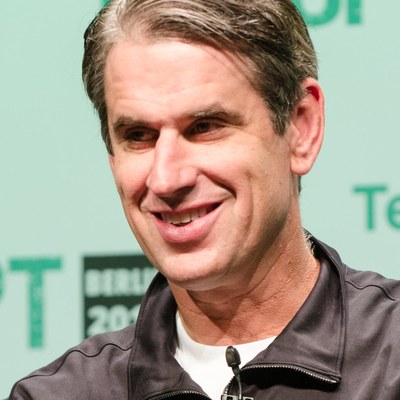 Bill Gurley
2
thin
22 Dec 2020 – 22 Dec 2020
+56 d
Bill Gurley
2
thin
22 Dec 2020 – 22 Dec 2020
+56 d
The chronologysourced and dated, oldest first
-
-
Brad Gerstner
Gerstner criticizes traditional IPOs as year-long processes where companies don't know pricing or shareholders until the end.
“It's a year long process where you don't know the price for your shares or even who your shareholders are going to be until the end of the line.”
-
Brad Gerstner
Gerstner argues Altimeter's SPAC approach takes companies public faster by acting as owners rather than agents.
“We don't act like agents, we act like owners. We're totally aligned with you. So I mean, we can get you public in a fraction of the time,”
-
Brad Gerstner
Gerstner explains SPAC costs are borne by SPAC shareholders through share dilution, not by the company going public.
“All the costs are borne by the shareholders of the SPAC who gave us part of their shares when we set up the SPAC as a finder's fee for helping them invest in a world class company.”
-
Brad Gerstner
Gerstner describes SPAC fee structure where shareholders pay via dilution, similar to VC fund economics.
“I mean, it's very similar to our VC funds where we get paid for helping our investors invest in companies like Snowflake.”
-
Bill Gurley
Gurley argues SPAC market emerged because traditional IPO underpricing was worsening.
“I think one of the big reasons the SPAC market opened up was because the underpricing was getting worse and worse and worse.”
-
Bill Gurley
Gurley says direct listings with primary offerings are now clearly superior to both IPOs and SPACs.
“Today's a super important day because I think it'll be very hard for anyone to argue whether it's a traditional IPO or a SPAC that that's gonna be better than a direct listing with a primary offering.”
-