Who is on this subjectordered by the date of their first quote here
2 of 4 lanes rest on fewer than 5 quotes and are marked thin. Offsets are days from the middle first-quote date, 15 Jul 2021 — a date, and nothing else. It is not a claim about who reached a view first.
-
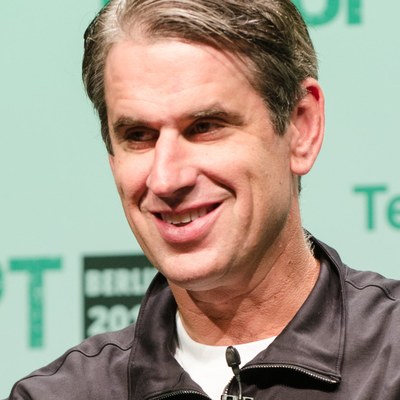 Bill Gurley
7
2 Jul 2019 – 23 Apr 2026
-744 d
-
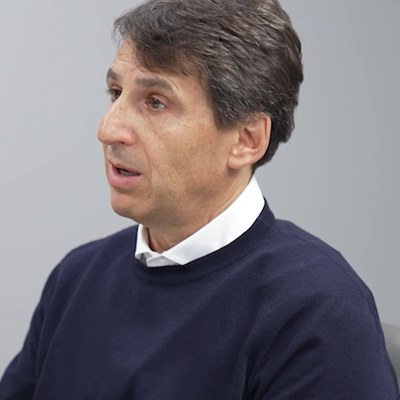 Marc Rowan
8
15 Jul 2021 – 16 Apr 2026
+0 d
-
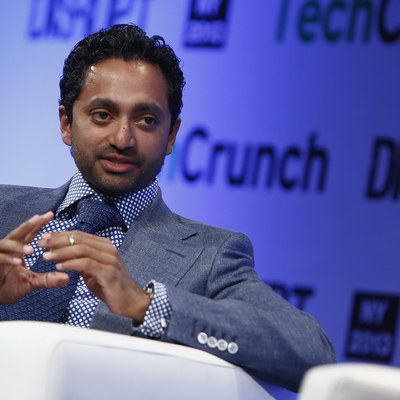 Chamath Palihapitiya
2
thin
14 Jul 2026 – 14 Jul 2026
+1825 d
-
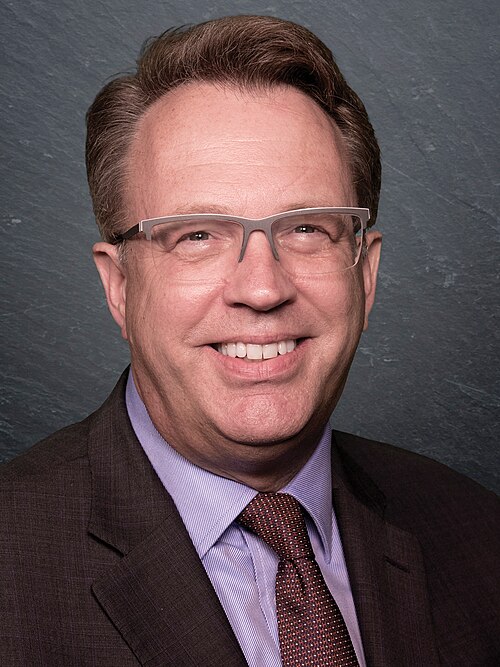 John Williams
1
thin
The chronologysourced and dated, oldest first
-
-
Bill Gurley
Gurley criticizes banks for maintaining slow ACH settlement times for thirty years to protect themselves.
“I these banks made a huge mistake, which is they've sat on their hands with ACH for thirty years, and they did it for all the wrong reasons.”
-
Bill Gurley
Gurley argues banks deliberately kept ACH slow for thirty years to protect themselves while other countries mandated faster payments.
“They did it to protect themselves, like, three days to settle a transaction. There are other countries that just mandated UK faster payments.”
-
-
-
Bill Gurley
Gurley argues banks advise 30x oversubscription, contradicting four hundred years of economic principles on supply and demand.
“And no one, no one in four hundred years of economics would suggest that the best practice would be to have a 30 x supply demand imbalance.”
-
Marc Rowan
Rowan notes the 2008 crisis permanently shifted lending activities from banks to nonbank lenders like Apollo.
“You know, the financial crisis in two thousand and eight pushed a lot of activities out of the banking sector and into the nonbank lending sector.”
-
-
-
Marc Rowan
Rowan sees enormous opportunity in Asia where banks represent 90% of corporate capital versus 25% in the US.
“The banking system is 25% of all corporate capital. In Europe it's 65%. In Asia I think it's 90%.”
-
Marc Rowan
Rowan cites banking market share by region and targets gaining just one percentage point in Asia as success.
“So I've told my partner Matt Mickalini who runs this business your job is to get market share in Asia from 90 to 89.”
-
-
-
Marc Rowan
Rowan notes $42 billion left SVB in four hours, challenging regional bank CEOs' business models.
“42,000,000,000 left SVB in four hours without a line. So you're now the CEO of a big regional bank.”
-
Marc Rowan
Rowan predicts regional banking business models will fundamentally transform within five years.
“I'll be shocked if five years from now the business model of a regional bank looks like what they do today.”
-
-
-
Bill Gurley
Gurley says vast majority of IPOs concentrated in four or five firms, suggests need for banks dedicated to smaller IPOs.
“I found some data which we can put up, like the vast majority of IPOs are being underwritten by like four or five firms.”
-
Bill Gurley
Gurley says Wall Street banks have no interest in small IPOs unlike specialized four horsemen banks.
“Years ago, there were these banks called the four horsemen, which were banks that just specialized in small IPOs, and Silicon Valley leveraged them to the hilt.”
-
-
-
Bill Gurley
Gurley notes Coinbase offers 4% daily interest on stablecoin balances without deposit requirements.
“Here, whether it's $10 or or a million bucks, you know, you put it in stable coin with Coinbase and you start earning 4% daily.”
-
-
-
Marc Rowan
Rowan says the banking system is in the best shape he has seen in his 42-year career.
“I think it's in the best shape I've ever seen it in my forty two years of professional career.”
-
Marc Rowan
Rowan argues risky lending belongs in investment markets, not government-backed banking systems.
“I always ask the provocative question, if what the activity is risky, do we want it in the government backed, government guaranteed banking system, or do we want it in the investment marketplace?”
-
Marc Rowan
Rowan explains banks excel at short-term lending while Apollo excels at long-term lending backed by retirement liabilities.
“And if you think about people like us, we borrow really long because we back retirement liabilities. And institutions, pension funds, endowments, sovereign wealth funds, they borrow really long.”
-
Bill Gurley
Gurley says he identified anti-FedNow legislators by checking donor lists which showed large bank contributions.
“I would see the congressmen and senators that would would be anti Fed now, and I would immediately go on to that website that lists who their donors are, and you'd see large banks.”
-
Chamath Palihapitiya
Palihapitiya argues banks structure IPO liquidity to embed gains for their best clients, not company needs.
“The SPAC was I didn't like the idea that two or three banks sat as the gatekeeper between companies that should be funded and exist and their ability to actually serve customers.”
-
Chamath Palihapitiya
Palihapitiya claims OpenAI's IPO timing is controlled by banks maximizing embedded gains for clients.
“That has everything to do with who is lead left and who is lead right deciding how much embedded gain they can transfer to their best clients.”
-
-
-
John Williams
Williams explains banks consider market conditions, incentives, and payment needs when deciding reserve levels.
“Banks consider a range of factors when deciding on the level of reserves that they wish to hold, including market conditions, financial incentives, and their ability to make payments and fund outflows in both normal times and during stress.”
-
Where they overlapsame programme, same subject
- CNBC Television also carries Chamath Palihapitiya and Marc Rowan on this subject, at different times.